


What's a Domesticated Hedgehog?
A Domesticated Hedgehog is a small, spiky animal that originally comes from Africa. People usually keep the “African pygmy hedgehog,” which is about the size of a small apple when it’s all curled up!
How They Live at Home?
Where They Sleep: Hedgehogs are night owls—meaning they’re awake at night and sleep during the day. Give them a cozy box or tunnel to hide in, with soft bedding like shredded paper or special pet bedding.
Exercise Wheels: Just like you need to run around, hedgehogs need to move, too! A solid‑surface exercise wheel (about the size of a dinner plate) helps them stay healthy.
What They Eat: They love high‑protein kibble made for insect‑eating animals, plus treats like mealworms or tiny pieces of apple. Never give them milk - many hedgehogs can’t digest it!
Habitat
Hedgehogs live in lots of different places - like woodlands, grasslands, and even gardens! They love spots with bushes, logs, or piles of leaves where they can hide and build a little nest. In the wild, you might find them under hedges (that’s how they got their name!) or in fields full of bugs to eat. Pet hedgehogs live in cozy cages with soft bedding, tunnels to explore, and hiding spots so they feel safe - just like their wild homes.
Characteristics
Size & Shape: Most pet hedgehogs (African pygmy hedgehogs) are about 5 - 8 inches long - roughly the size of a small loaf of bread. They weigh around 1 - 1½ pounds (about the weight of a small apple!).
Color & Fur: Underneath their spines, they have soft fur on their belly and face. Their spines can be cream, brown, or a mix, and their faces are usually light - colored with cute little noses and round eyes.
Behavior
Nocturnal Explorers: Hedgehogs are night‑time wanderers. While you’re sleeping, they’re busy running on their wheel, sniffing around, and looking for treats. During the day, they curl up in a dark hideaway to rest.
Foraging & Sniffing: With an amazing sense of smell, they hunt bugs, worms, and sometimes little bits of fruit. Pet hedgehogs love sniffing out treats you hide in their bedding - kind of like a treasure hunt!
Friendly Handling: At first, they may roll up into a ball when they meet new people. But if you talk softly and offer a snack, they’ll unroll and come sniff your hand. Gentle, regular handling helps them feel safe and turn them into curious, cuddly pals.
Fun Facts
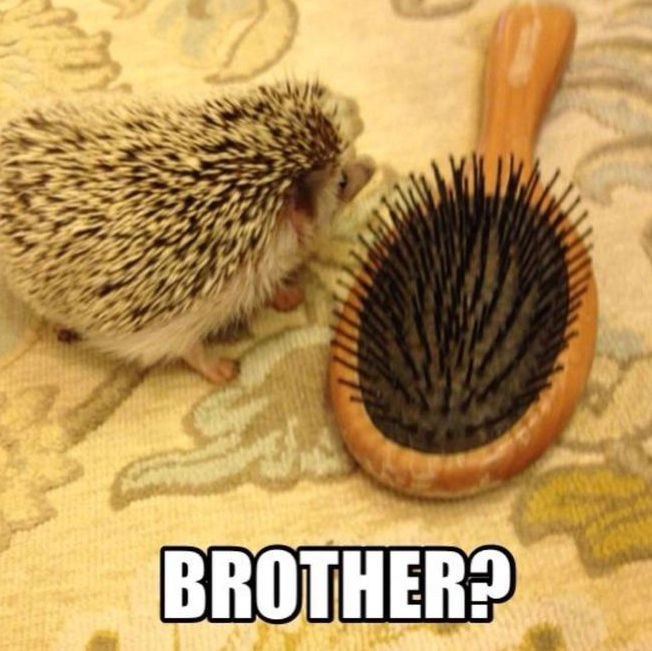
Hedgehog Quills
Hedgehogs have about 5,000 - 7,000 quills on their back. These are modified hairs that protect them from predators. When they’re scared, they roll into a tight ball so only the quills show!

Diet
Hedgehogs are insect-eating champs - they can eat up to 10% of their body weight in bugs each night! They also nibble on fruits, vegetables, and occasionally small bits of cooked meat.

Lifestyle
Hedgehogs are nocturnal explorers - they can roam 2 - 4 miles in a single night, using leaf nests for daytime naps.

Cuteness
Hedgehogs have the sweetest yawn - when they stretch, you catch a glimpse of their tiny pink teeth! Their soft belly fur peeks out when they relax, and they often snuggle into hands or blankets, making the happiest little snuffling noises.

Self‑Anointing
When hedgehogs smell something new or interesting, they create a frothy saliva and spread it all over their quills - why they do it is still a bit of a mystery!

Quidditch
Quidditch is a game played by two teams of 3 players each. The game is played on a rectangular field with a goal at each end. The objective of the game is to score points by throwing a ball through the opposing team's goal.
More Fun Facts
Hedgehog Photo Gallery





FAQ: Hedgehog Trivia
1. How fast can a hedgehog run?
2. What do baby hedgehogs call their young?
3. Approximately how many quills does a hedgehog have?
4. What do hedgehogs primarily eat?
5. How long can hedgehogs live in captivity?

Care Tips at a Glance
| # | Aspect | Recommendation | Notes |
|---|---|---|---|
| 1 | Habitat | Provide a solid‑floor cage (≥ 4 ft²) | Use dust‑free bedding and a hideaway |
| 2 | Diet | High‑protein, low‑fat insectivore kibble | Supplement with mealworms & small fruit pieces |
| 3 | Exercise | Install a solid‑surface wheel (Ø ≥ 30 cm) | Helps prevent obesity |
| 4 | Handling | Gentle, daily sessions with treats | Builds trust and reduces stress |
| 5 | Temperature | Keep room at 72 - 78 °F (22 - 26 °C) | Too cool can trigger hibernation |